
World Economic Forum | Workshops, Design Thinking
2025
Impact
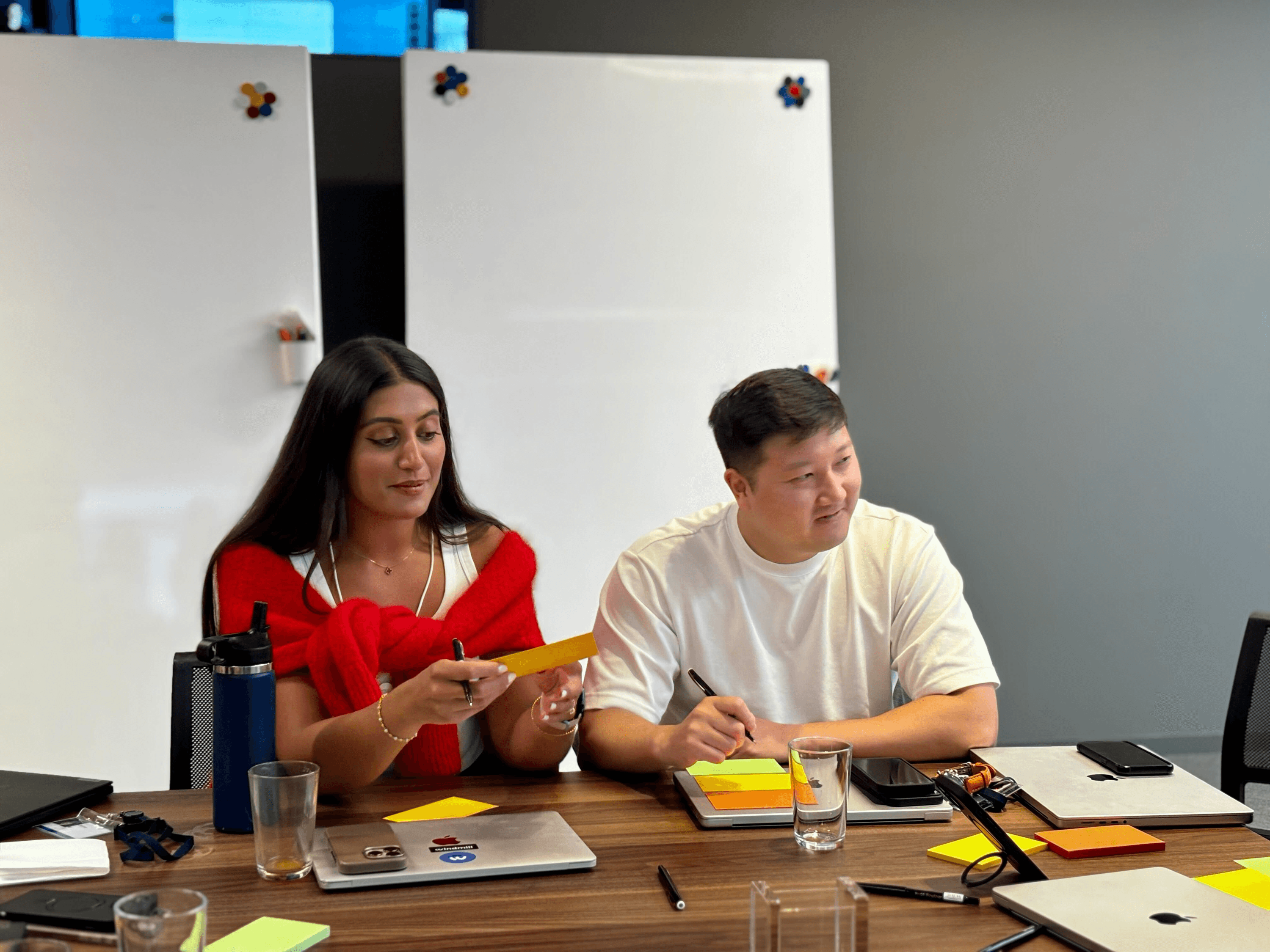
Designed and scaled a 2-hour workshop system that turned initiative vision into actionable engagement plans. Facilitated 15 workshops with organizations like IKEA and governments including Jordan and Saudi Arabia. Trained 2 specialists to run sessions independently. Drove 18K sign-ups (+24%) and 1.8M unique visitors (+33%) across Forum Spaces platforms.
My Role: Senior Design Strategist — Workshop design, facilitation lead, training program, output systems
The Problem
Forum Spaces was scaling from standalone platforms to full ecosystems where community engagement determined success. But initiatives weren't prepared to build communities—they had vision but couldn't translate it into platform strategy.
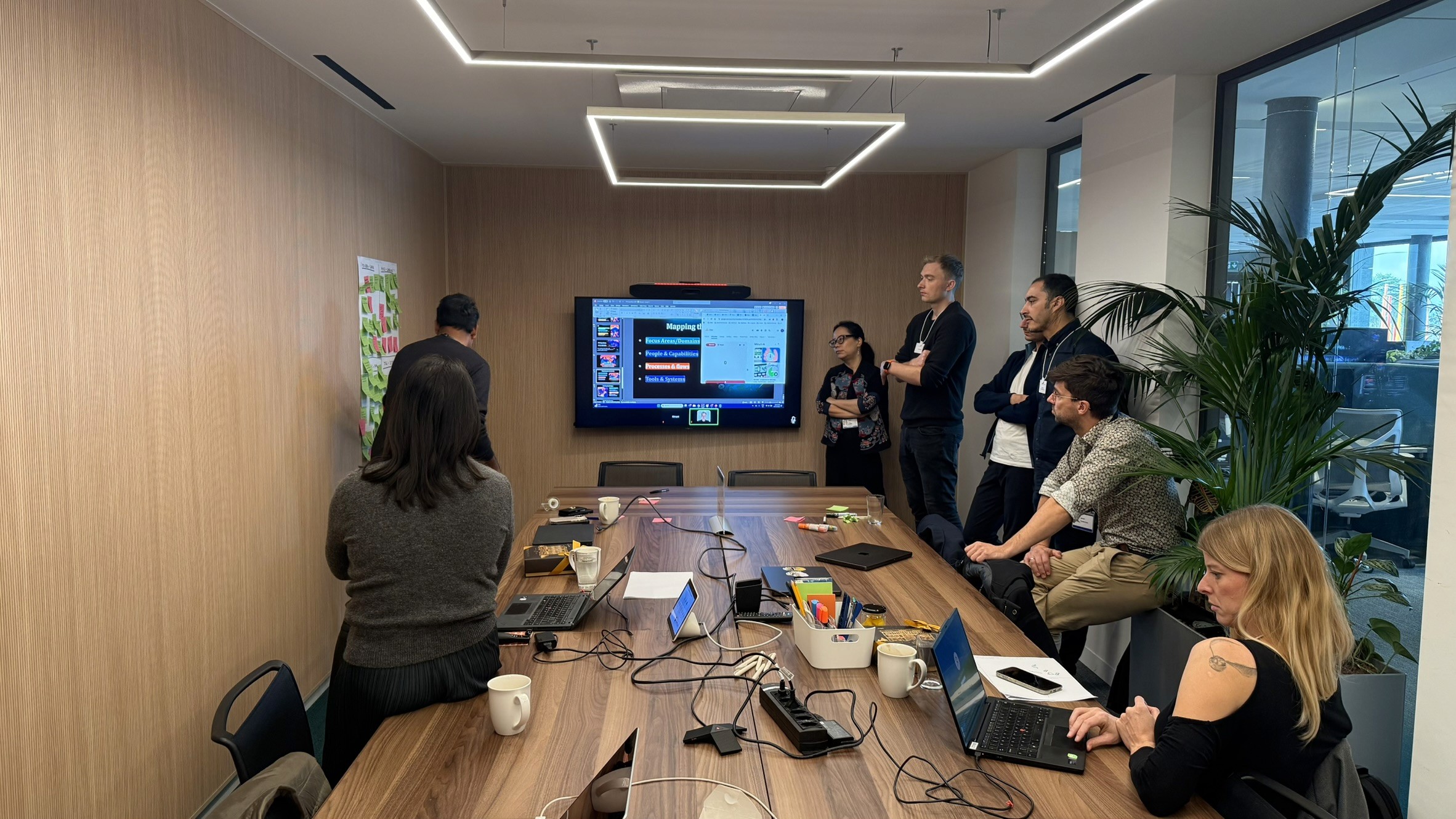
Before this system existed, discovery calls weren't enough. Initiatives would describe what they wanted, we'd build it, then realize mid-project that their assumptions were wrong. Features got redesigned. Launches failed because engagement strategies didn't match platform capabilities. Some initiatives even hired external consultants for strategy work, then still couldn't implement it on our platform.
The root issue: We were treating each initiative as a one-off conversation instead of a repeatable problem. We needed a structured way to extract vision, surface real user needs, and produce prioritized decisions—fast.
Bringing this in-house made sense. We understood the initiatives, their users, and the platform constraints. We could move faster and translate vision directly into platform requirements without the telephone game of external consultants.
The challenge: Build a process that reliably uncovers initiative vision and engagement priorities in a way that's repeatable, produces actionable outputs, and doesn't require me in every follow-up conversation.
How I Built the System
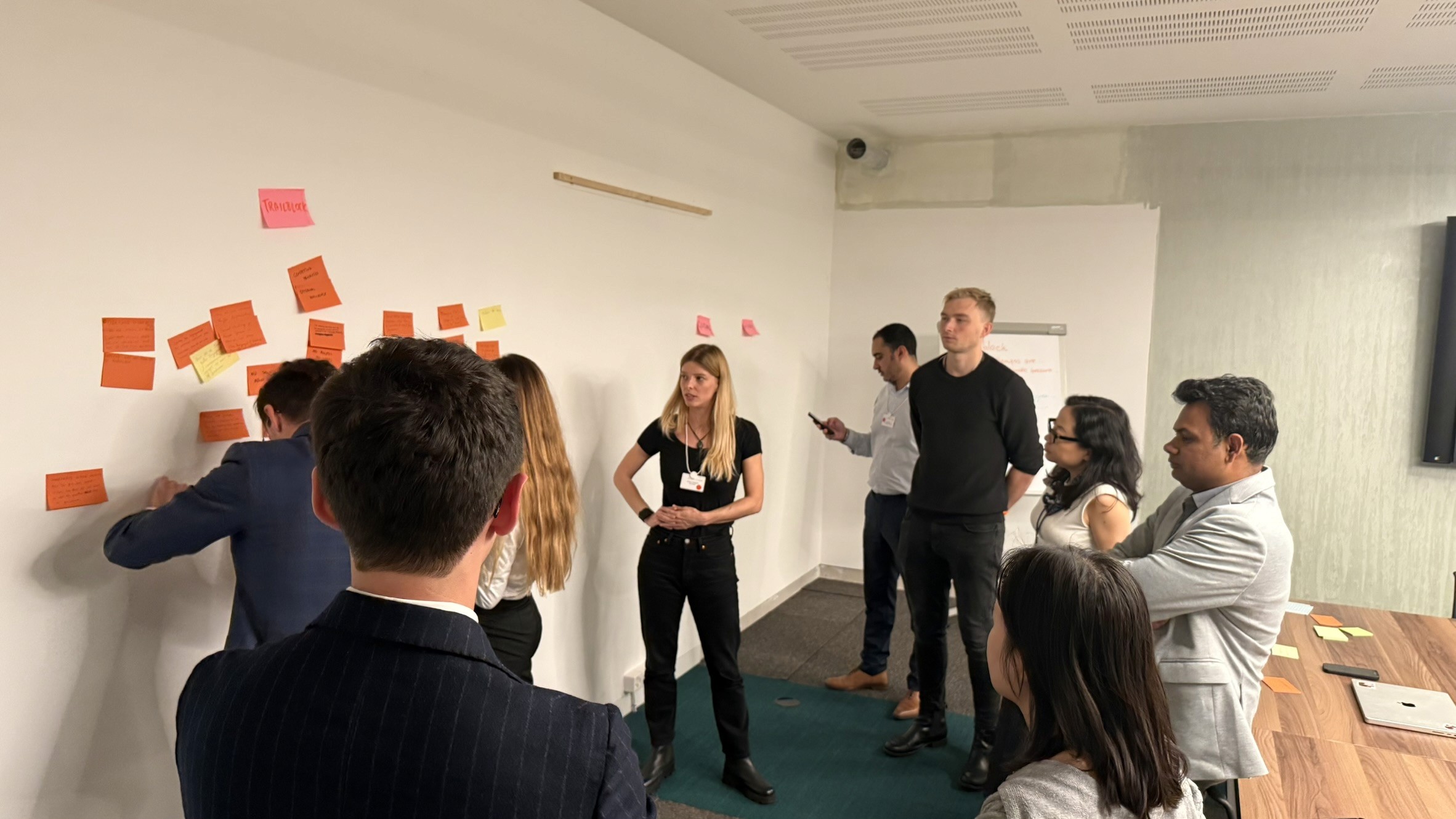
I treated facilitation as a product. Instead of improvising each workshop, I designed a repeatable format with clear inputs, structured activities, and consistent outputs.
Design Principles
Start with vision, not features. Teams can't prioritize if they haven't aligned on where they're going. Vision comes first so later decisions don't devolve into competing opinions.
Make users real, not abstract. Empathy mapping forces teams to describe actual people with specific barriers, not vague "stakeholders."
Force clarity through frameworks. Structured activities like 5W1H problem statements prevent teams from staying in fuzzy idea space.
End with decisions and owners. Workshops that generate ideas without commitments waste everyone's time. Sessions must end with prioritized bets, named owners, and timelines.
Template the structure, not the content. The flow is standardized, but activities flex based on cultural context and who's in the room.
The 2-Hour Workshop Flow
1. Vision Setting (Short, Medium, Long Term)
Align the team on shared direction before making any decisions. Clear vision statements inform everything downstream—without this, prioritization becomes opinion battles.
2. Target Audience and Empathy Mapping
Define who engagement is for, what they need, and what blocks them. We capture primary user goals, barriers, desired outcomes, and what success looks like.
Time-saver: I often pre-fill draft empathy maps based on discovery calls, then validate live in the workshop rather than starting from scratch.
3. How Might We Ideation
Translate goals into a bounded solution space. Based on business goals from discovery, I craft 4 HMW statements that frame the ideation. Examples:
HMW create meaningful engagement strategies that ensure community members actively contribute?
HMW scale community by attracting the right mix of stakeholders and ensuring cross-sector collaboration?
HMW improve onboarding so new members understand the ecosystem's value and feel empowered to contribute?
4. Problem Statement (5W1H Framework)
Move from themes to a crisp definition the team can execute against. Who is affected, what is happening, when/where it shows up, why it matters, how we'll address it, and what resources are needed.
5. Prioritization (Impact-Effort Matrix)
Make tradeoffs visible and produce decisions. Teams end with a short list of prioritized bets, clear reasoning, and effort awareness—not just a pile of ideas.
6. Decisions and Next Steps
Finish with clarity on owners, timelines, and success criteria. The decision log becomes the foundation for engagement plans.
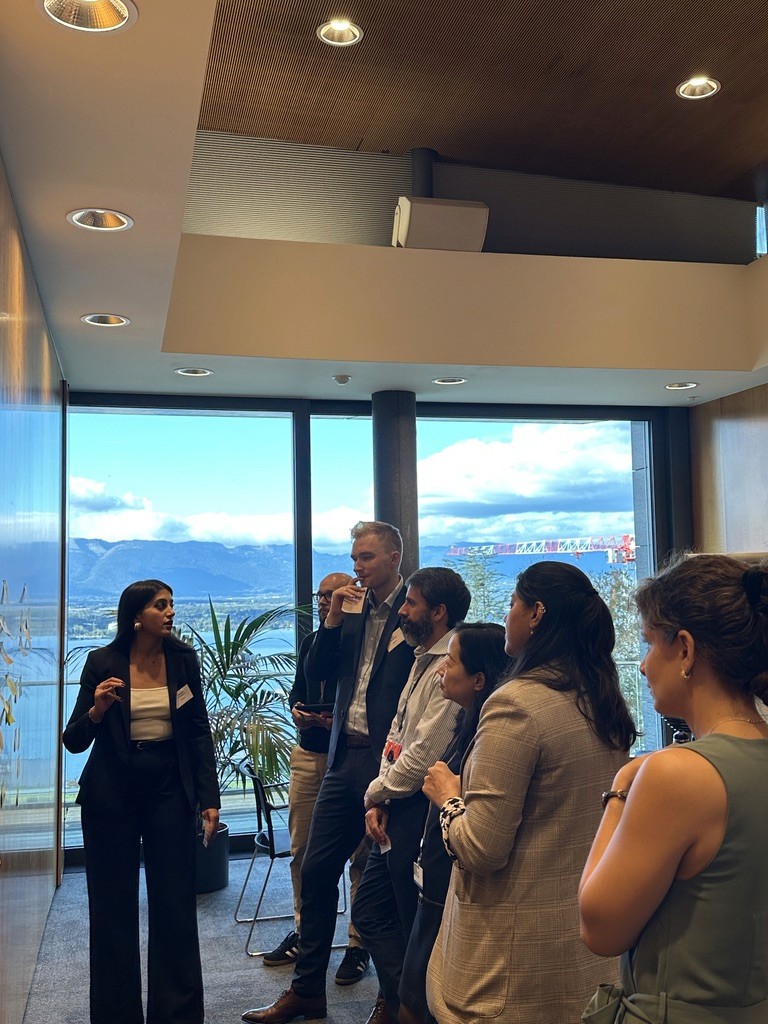
Optional Modules (Context-Dependent)
The core flow stays consistent, but I've built a library of optional activities for specific situations:
As-Is and To-Be Journey Mapping
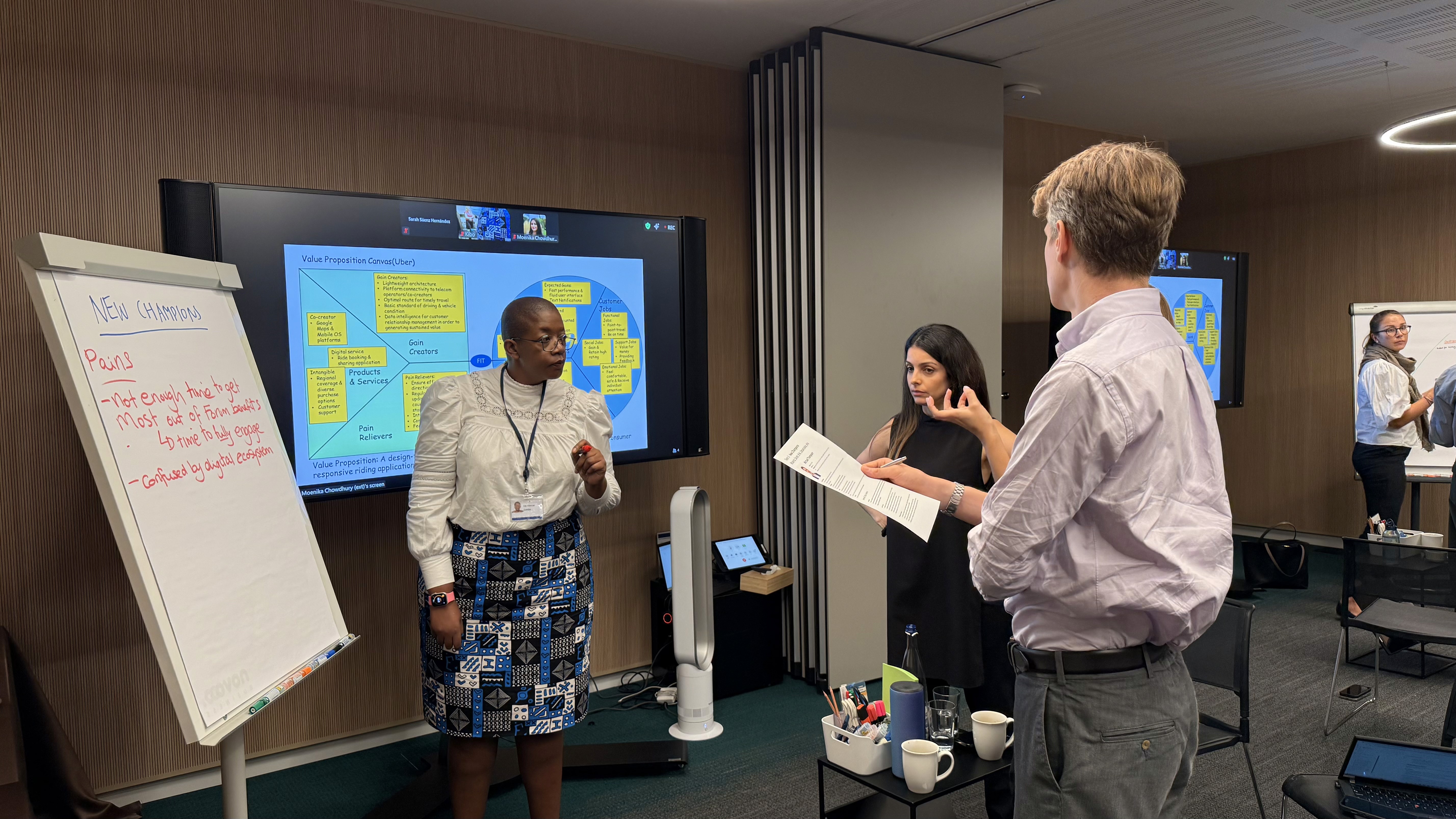
Value Proposition Canvas
Sailboat Retrospective (what's pushing forward vs. holding back)
Lightning Talks (visual references and inspiration)
The structure is repeatable, but execution flexes based on the initiative.
Preventing Roadmap Inflation
To keep workshops focused on engagement strategy instead of feature requests, I created a Forum Spaces demo deck that showcases existing capabilities.
Initiatives often request features that already exist. Without seeing what's currently possible, conversations turn into wishlists that inflate the product roadmap unnecessarily.
The demo includes:
Case Studies library (centralized impact examples)
Interactive maps (geographic visualization)
Custom filtering and AI-powered translation
Real-time analytics (Mixpanel integration)
White-label mobile app and branded email templates
This redirects conversations from "we need to build X" to "how do we use what's already here." Feature gaps still surface, but now they're genuine needs rather than assumptions.
Turning Outputs Into Action
The workshop has to produce everything needed to build an engagement plan. If we don't capture it during the session, there's unprofessional back-and-forth afterward that kills momentum.
I designed a post-workshop output pack delivered within 24 hours:
Decisions made and alignment points
Top priorities and what we're not doing yet
Owners and timelines
Risks, assumptions, and what to validate next
Engagement plan inputs and platform requirements
For the engagement team: Workshop outputs become the foundation for tailored engagement plans they create for each initiative.
For the product team: Platform gaps identified in workshops feed into the product roadmap when existing capabilities don't meet the need.
For the initiative: Clear next steps with owners so teams can act without needing me in every follow-up. This builds trust—initiatives now come to us first when they have updates or need support.
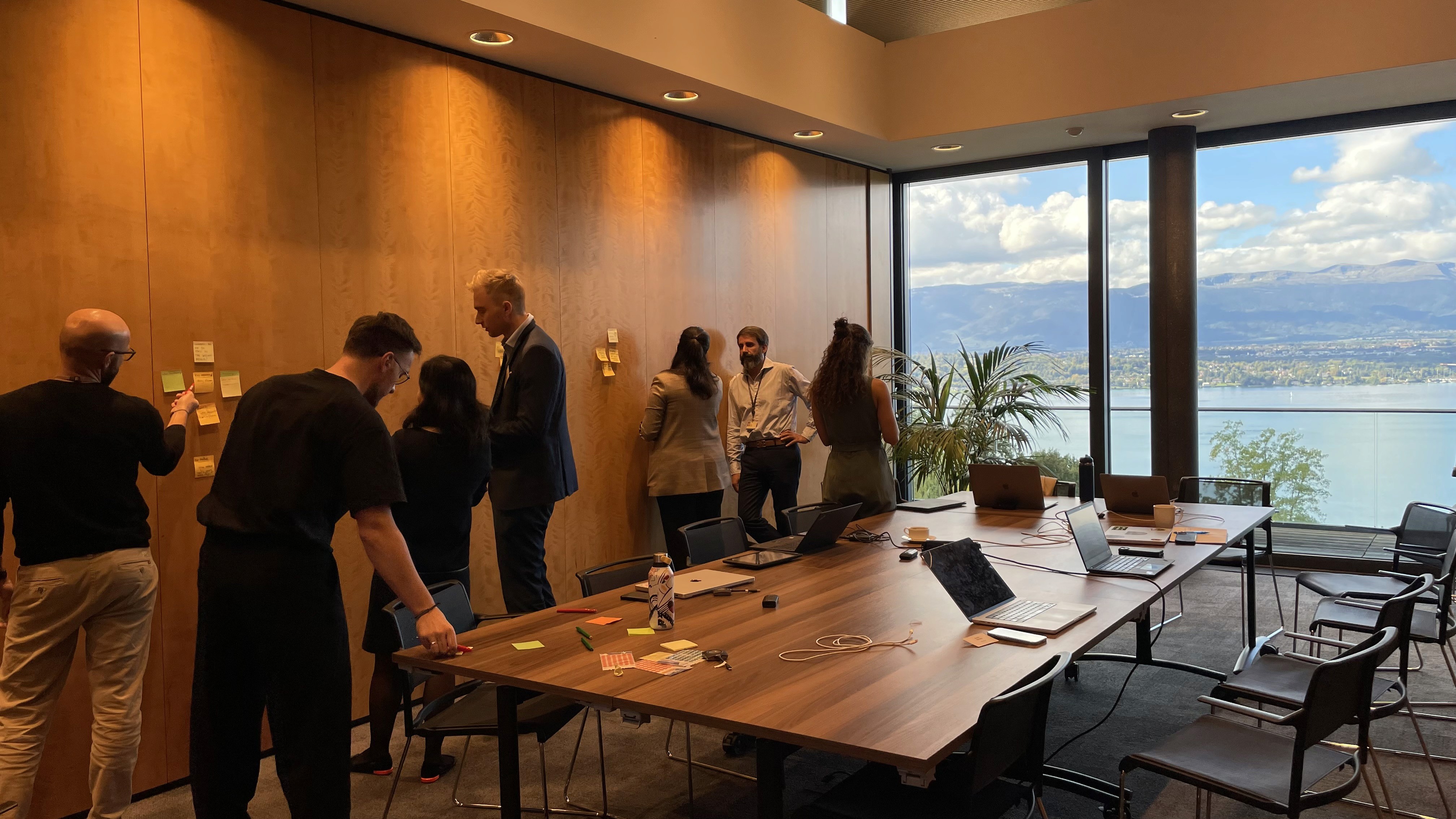
Scaling Through Training
I trained 2 engagement specialists to co-facilitate and eventually run workshops independently. In all 15 workshops to date, I facilitated as the lead with one specialist as co-facilitator.
What I created to enable scale:
2-hour workshop template and facilitation guide
Activity library (vision setting, empathy mapping, HMW, 5W1H, impact-effort, plus optional modules)
Customizable FigJam templates for each initiative's context
Training approach for new facilitators with quality standards
Post-workshop output pack template
Demo deck to showcase existing capabilities
The balance: Even though we use the same templates, each workshop needs to be custom-created for the initiative. Activities get tailored based on cultural context and who's in the room.
What Didn't Work
Virtual workshops required shorter activities.
Almost all our workshops are virtual. Activities that work in person lose energy over video. I had to redesign time boxes to be tighter with more frequent transitions to maintain momentum.
Cultural differences required tailored approaches.
What works with Swedish companies like IKEA doesn't work the same way with government stakeholders from Jordan or Saudi Arabia. The structure is repeatable, but the approach needs cultural awareness and flexibility built in.
Incomplete information led to unprofessional back-and-forth.
Early on, if we didn't capture all the info needed during the workshop, we'd spend days patching gaps afterward. This wasn't professional and slowed everything down. I made outcome requirements crystal clear upfront—the workshop must produce a clear project plan with all the info the engagement team needs. This forced us to be more thorough during sessions.
Outcomes
Workshop scale:
15 workshops with organizations like IKEA and governments including Jordan and Saudi Arabia
2 engagement specialists trained to co-facilitate and run independently
Community growth:
18K sign-ups across member communities (+24% since 2024)
1.8M unique visitors to Forum Spaces platforms (+33% from 2024)
Growth accelerated immediately when workshops began in early 2025
Relationship impact:
By developing engagement plans through workshops, we became the go-to point of contact for initiatives. They now come to us first when they have updates or need support. The workshop builds trust and ongoing relationship, not just one-time deliverables.
What changed:
Better stakeholder alignment through shared vision and decision frameworks
Faster transition from ideas to prioritized action with clear owners
Workshop outputs translated directly into implementable engagement plans
Reduced back-and-forth through comprehensive info capture during sessions
Product roadmap inputs grounded in real initiative needs, not assumptions
What I Learned
Design for the medium.
Virtual workshops are fundamentally different from in-person. What works for 2 hours in a room doesn't translate to 2 hours on video. Activities need tighter time boxes and more frequent transitions.
Cultural context is non-negotiable.
The same template needs different execution based on who's in the room. Flexibility within structure is key.
Capture everything or pay later.
If the workshop doesn't capture all the info needed to build the engagement plan, you'll pay with unprofessional back-and-forth afterward. Make outcome requirements crystal clear upfront.
Workshops build relationships, not just deliverables.
The workshop isn't just about producing an engagement plan. It builds trust and makes you the go-to person for that initiative. That relationship value compounds over time.
What I'd do differently:
Build in explicit cultural adaptation checkpoints rather than learning on the fly. Record more anonymized workshop moments for training new facilitators. Involve the engagement team in workshop design earlier to ensure outputs perfectly match what they need to build plans.